
Reading PPV Density Signals on Free Page Rankings
OnlyFans free pages look like the cheapest way to follow a creator, but the $0 base price hides where the money actually moves. Reading PPV density signals on ranking cards tells you how heavily a page leans on pay-per-view messages before you follow it. BestOnlyFans refreshes its rankings every month.
A free page charges nothing at the gate. Revenue instead comes from PPV unlocks, tips, and paid chat, so the ranking data around that page becomes a rough proxy for how much a subscriber is likely to spend in a month. The BestOnlyFans method stays consistent across updates.

Why PPV Density Is the Real Price on Free Pages
On a paid page, the subscription fee sets a floor for what you pay. On a free page, that floor disappears and the PPV layer becomes the effective pricing, which is why density matters more than the headline number on the card.
The platform takes a 20% cut of everything and the creator keeps 80%, so a free page has to generate real volume through messages and tips to be worth running. That pressure shapes how often PPV messages go out.
- A $0 base price removes the subscription fee but leaves PPV messages and tips as the main revenue.
- PPV unlocks can reach up to $50 per message, so a handful of sends changes a monthly total fast.
- Paid chat commonly runs $3 to $5 per message, which adds up across a month of regular replies.
- Tips can reach $100, and on free pages they often replace what a subscription would have covered.
- Nothing about the $0 entry price caps what a subscriber chooses to spend afterward.
None of this makes free pages a bad deal. It simply means the price you pay is one you set yourself, message by message, rather than one printed on the subscription button.
How Ranking Data Reflects PPV Behavior
OnlyFans has no built-in discovery feed or directory, so ranking sites exist to fill that gap. Those sites cannot see individual message prices, but they can track patterns that correlate with heavier PPV use.
In practice, a ranking card is a summary, not a receipt. Treat every signal as a hint about posting rhythm and monetisation style rather than a confirmed number for any single message.
- Posting frequency, since pages that publish often tend to push more PPV messages alongside free posts.
- Message volume indicators, which suggest how much of the interaction happens in paid threads.
- Engagement ratios that separate pages carried by tips from pages carried by message unlocks.
- Category placement, because some niches lean harder on PPV than others by convention.
- Update recency, since a stale card tells you little about how a page operates today.

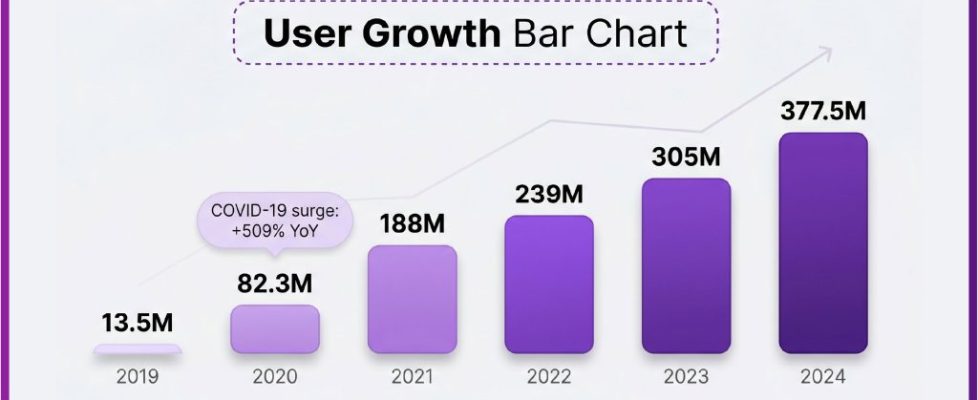
Because the platform has grown steadily since 2016, ranking sites now have years of comparative data to work with. That history makes density patterns easier to spot than they were when the user base was small.

Sites that publish methodology notes, including BestOnlyFans, usually explain how they weight signals, which helps you judge whether a density reading is meaningful or just noise.
Building a Rough Monthly Cost Estimate
An estimate does not need to be precise to be useful. The goal is a plausible range you can compare against your own budget before you follow anything.
- Read the ranking card and note how heavily the page appears to rely on message-based revenue.
- Assume paid chat lands somewhere in the $3 to $5 per message band unless you learn otherwise.
- Decide how many messages per week you would realistically open, then multiply by four.
- Add a PPV allowance based on how often the page appears to send locked content, up to $50 per message at the top end.
- Add a small tips buffer, since tips on free pages often replace a subscription fee.
- Compare the total against a paid subscription in the $4.99 to $15 range and see which looks cheaper.
A quick example: ten chat messages a month at $4 is $40, plus two PPV unlocks at $10 each is $60. That already exceeds most paid subscriptions before any tip is added.

The estimate will be wrong in the details. It still beats following a dense page with no number in mind at all.
When Dense PPV Pages Cost More Than Paid Ones
The crossover point arrives sooner than most subscribers expect. A paid page priced anywhere from $4.99 to $49.99 sets a ceiling, while a free page sets none.
| Scenario | Monthly PPV | Paid Alternative |
|---|---|---|
| Light engagement, one unlock | About $10 | $4.99 base subscription |
| Moderate chat, occasional unlock | About $35 | $9.99 base subscription |
| Regular chat plus several unlocks | About $70 | $14.99 base subscription |
| Heavy engagement and frequent unlocks | About $120 | $24.99 base subscription |
In the bottom two rows, the free page costs several times what a paid subscription would. The trade is flexibility, since you control each unlock, but control only helps if you actually exercise it.
Remember that promotional first months can sit below $4.99, for example a $3 first month. Base prices cannot go that low, so a cheap intro offer is a temporary discount, not the standard rate.

Also note that when a creator raises the price, auto-renew stops and existing access lasts until the paid period ends. That rule applies to paid pages, not to PPV pricing, which can shift at any time.
Comparing Density Signals Across Page Types
Density is not a ranking of quality. It is a description of how a page monetises, and the same subscriber can be happy on a dense free page or a quiet paid one.
| Page Type | Base Price | PPV Reliance |
|---|---|---|
| Free page | $0 | High, since PPV and tips carry revenue |
| Low-cost paid page | $4.99 to $9.99 | Moderate, with some PPV on top |
| Mid-range paid page | $10 to $24.99 | Lower, with content mostly included |
| Premium paid page | $25 to $49.99 | Low, with PPV used sparingly |
Typical paid subscriptions cluster between $5 and $10, and most sit inside the $4.99 to $15 band. That is the benchmark to hold density readings against.
If comparing pages is the goal, lists such as best onlyfans creators reddit threads often mix page types together, so check the base price on each card before assuming two entries are comparable.
A card with a dense reading and a $0 base is a different proposition from one with a dense reading and a $12 base. The second has already collected most of its revenue up front.
Setting a PPV Ceiling Before You Follow
Deciding a ceiling in advance is the single most effective step. Once a page is in your feed, each unlock is a small, easy decision that rarely feels like spending.
- Set a monthly figure you would be comfortable losing entirely, not one you hope to stay under.
- Divide it by your expected chat price to get a message count you can track.
- Treat PPV unlocks as separate from chat, so the two pools do not quietly merge.
- Review the total weekly rather than monthly, since early drift is easier to correct.
- Unfollow or pause if the first two weeks already exceed half the ceiling.
Tip: write the ceiling down somewhere outside the app. A number you have to look up is a number you will actually check before unlocking a $20 message.
A $0.10 card verification hold is refunded within days and is unrelated to PPV spending, so do not count it against the ceiling. It is a temporary authorisation, not a charge.
Ceilings also make comparison possible. Two pages with the same density reading are not equally affordable if one consumes your whole allowance in a week.
If a card asks for card details you did not expect, or a message pushes you toward a payment page outside the platform, stop and check the request against phishing patterns before entering anything.
Revisiting the Estimate After Month One
Month one is the only reliable data you will ever have about your own behaviour on a specific page. Use it before renewing any decision.
- Total everything you spent on the page: chat messages, PPV unlocks, and tips.
- Compare that total against your written ceiling and against your original estimate.
- Identify which category caused the gap, since chat and PPV drift for different reasons.
- Decide whether to keep following, reduce engagement, or drop the page entirely.
- Adjust the ceiling for the next page based on what the first month actually taught you.

If the gap is large, check whether the page is still worth the spend at all. Cancelling is straightforward, and a free page you no longer engage with costs nothing to leave.
For paid pages, remember the mechanics: raising a price stops auto-renew, while access continues until the paid period ends. That gives you a natural review point if a page changes its pricing.

Turn on two-step authentication in account settings before following new pages. It protects the payment methods attached to the account, which matters more when spending is spread across many small unlocks.
FAQ
Can ranking cards show how many PPV messages a free page sends?
No. Ranking sites cannot see individual message activity, only patterns such as posting frequency and engagement ratios. Treat density readings as directional hints about monetisation style, not as counts of messages sent.
How do I estimate PPV spending before subscribing to a free page?
Start from a chat price in the $3 to $5 per message range, multiply by the number of messages you would realistically open, then add a PPV allowance and a small tips buffer. Compare the total against a paid subscription before you follow.
Do dense PPV free pages ever cost more than paid subscriptions?
Yes. Once chat and several unlocks pass roughly $50 a month, a free page usually costs more than a paid subscription in the $4.99 to $15 band. The $0 base removes the fee, not the spending.
Should I cap PPV spending per page or per month?
Per month is the safer unit, because a single page can absorb an entire allowance within a few weeks while a monthly cap keeps the total predictable. A per-page limit works as a secondary rule alongside it.